
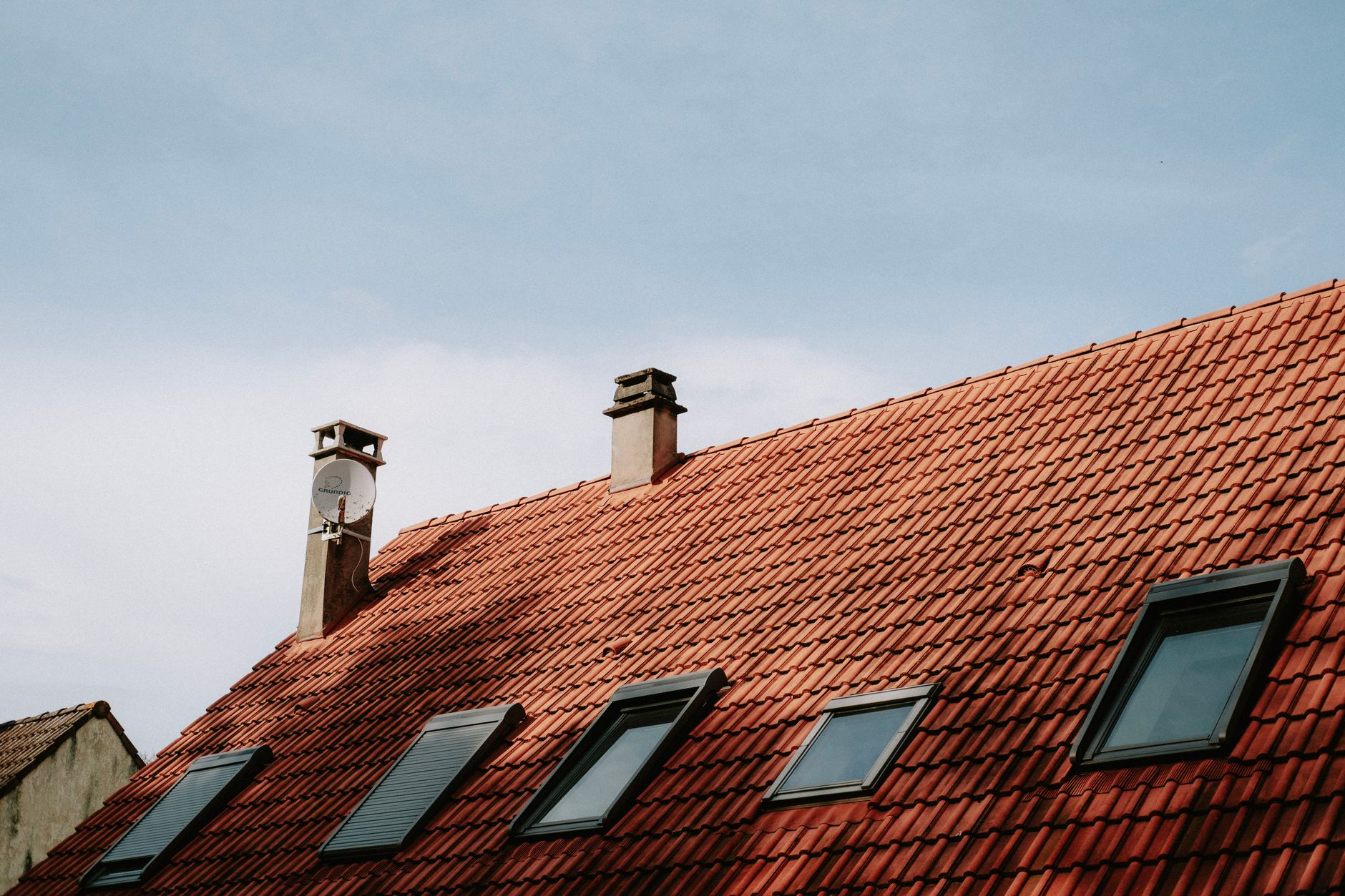
Fix it in spring and light it in November
Pick a Month for This Job
Tell us the address, the appliance and the month that suits. We call back from Huntington Beach with a date.
What the Job Covers
Spring is the quiet window for repair. The fireplace is cold, the roof is dry and nobody misses a fire for a week. We start from the items your inspection flagged: split tiles, open joints, a cracked top, a rusted cap or damper. Each one gets a photo, a plain reason and a written price you sign before work begins, so the flue is sound again by the time October comes round.
Repairs that should not wait for winter
A chimney fails in a handful of ways, and most of them start small. A crown develops a crack and water gets in; our mild winters do not freeze it apart, but salt air and wet brick do slower damage instead. A flue tile splits from heat and leaves a gap where hot gas can reach the wood around the chimney. A damper rusts in its frame until it will not close or will not open. A cap works loose in a Santa Ana wind and lets birds in by spring. Each of these costs less to fix early than late, and almost all of them are easier in dry weather. Mortar and concrete cure better without rain. Roof work is safer on a dry roof. A flue can be opened up and lined without anyone missing a fire. That is why we push repairs toward March through October and keep the winter for sweeps and small fixes.
Every repair begins with finding the cause, since the symptom you can see is often some distance from the fault. A water stain on the ceiling may come from the flashing, the crown or the brick itself, and patching the wrong one costs money and fixes nothing. We look, test where we need to, and write down what we found and what we propose. The written price lists each part of the work, so you can see the crown apart from the flashing and decide whether to do both now, or one now and one next spring. There is no single repair figure on this site, since a reset cap and a rebuilt stack are both repairs. Where a job does have a set range here, such as leak work at $575 to $3,450, the note uses it. Caps carry no set figure; we measure, then quote by flue count and metal. Larger work is booked into the dry months so it is done well before the first fire.
A repair year, season by season
Repair is a broad word, so this site splits it into parts with their own pages. The crown page covers the cement lid on top. The flashing page covers the metal seam at the roof. The masonry page covers brick and mortar joints, and the rebuild page covers stacks that have gone past patching. The damper, liner, cap, chase cover and leak pages each cover one job. If you are not sure which one you need, the inspection is where to start: a Level 1 at $170 names the part that is failing, and the repair is then booked as its own job. For houses being sold, the up to code repairs page groups the fixes a buyer's report most often asks for. If an inspector or a roofer has already told you what is wrong, write that on the contact form and we will plan the visit with it in mind.
Repairs and the burn season fit together in a simple order. Late winter or early spring: sweep and inspect after the last fire, while any damage from the winter is fresh and visible. Spring to early summer: crown, masonry, flashing and liner work, in dry weather, with time for materials to arrive. High summer: water repellent on brick that has dried out, and new caps before the fall winds. Early fall: a last look at anything repaired, and a sweep for houses that skipped the spring one. Winter: burn, and get in touch if something changes, such as smoke in the room, a new smell, or water after a storm. Following that order means the fireplace is ready when you want it, and repairs land when crews and weather make them easiest. It also means a fault found in December can usually wait a few weeks, with the fireplace unused, until the weather turns.
How Malone Chimney Works Plans the Work
Booked by Season
Fire-ready jobs in fall, repairs in the dry months
Dated Reports
Photos and findings sorted by when they matter
Price on Paper
Repairs and installs agreed in writing first
Next Date Noted
We suggest when the next look makes sense
Chimney Repair on the city route
Pick a city to see how its housing and weather change the timing for this job.
CA
Chimney Repair in Huntington Beach
Two calendars share this town: 69% of homes predate 1980, so a 1960s brick firebox may sit two streets from a factory-built metal one. Our September list fits either, with sweep, damper, liner and cap ticked off in that order.
See the city pageCA
Chimney Repair in Westminster
Built mostly before 1980, at 76%, with another 4% older than 1950, these flues have logged many winters. We like them swept in September, then the damper and crown noted on a dated sheet before the cold months.
See the city pageCA
Chimney Repair in Costa Mesa
One brick stack per postwar tract house, steel inside it but decades old, is the common pattern here. Gas rebuilds and condos take a different visit, so our fall sheet splits two ways: mortar and crown, or burner and vent.
See the city pageCA
Chimney Repair in Seal Beach
Malone's fall card for this town reads vent, metal flue, cap. Fireplaces here, where present, tend to be gas or factory-built; 89% of homes predate 1980, and Leisure World, a co-op Ross Cortese opened in 1962, holds many of them.
See the city pageOther Jobs on the Calendar
Chimney Sweep
Early autumn brushing of the flue, so the first cold evening of the season starts with clean tile and an open draft.
See the detailsChimney Inspection
A yearly Level 1 look at the reachable parts, timed so any repair fits in before winter rain.
See the detailsFireplace Inspection
Firebox, damper, doors and hearth looked over from inside the room, the parts you use every winter evening.
See the detailsFireplace Repair
Firebrick, joints, doors and damper put back in order during the warm months, ready for the first fall fire.
See the detailsChimney Level 2 Inspection
A camera run up the full flue on record, plus a check where the stack meets hidden framing.
See the detailsChimney Cap Installation
A metal hood with screen sides for the flue top, ideally fitted before winter storms and the spring nesting run.
See the detailsChimney Flashing Repair
The roof seam at the chimney resealed in the dry months, before the rainy season puts it to the test.
See the detailsChimney Masonry Repair
Soft joints and spalled brick repaired in the dry half of the year, when new mortar can cure slowly.
See the detailsChimney Rebuilds
A stack too damaged to patch is taken down and laid up again, planned for the long dry months.
See the detailsFireplace Cleaning
Ash, soot and stale smell cleared from the firebox at season's end, so summer heat does not bake them in.
See the detailsGas Fireplace Cleaning
A pre-season service for gas units: burner, pilot, glass and vent cleaned before the remote comes out in November.
See the detailsGas Fireplace Repair
Gas units that misbehave on the first cold night, traced to the faulty part and put right.
See the detailsFireplace Remodel
New face, mantel or fuel for an old fireplace, designed over winter and built in the warm months.
See the detailsFireplace Inserts
A sealed wood or gas box set into the existing opening, fitted in summer so it is ready when nights turn cold.
See the detailsPellet Stove Repair
Pellet units cleaned and repaired before the cold months, when replacement parts are slowest to arrive.
See the detailsWood Stove Repair
Gaskets, baffles, brick and glass renewed in spring, so the stove seals tight when fall comes back.
See the detailsGas Logs
Ceramic log sets on a gas burner, fitted before November so the fireplace works through every no-burn day.
See the detailsChimney Seismic Retrofit
Bracing or a lighter top for an older brick stack, done in the dry season ahead of the next quake.
See the detailsChimney Crown Repair
The mortar top of the chimney resealed or recast in summer, before rain works into its cracks.
See the detailsDryer Vent Cleaning
Lint cleared from the dryer duct, a yearly job worth pairing with the fall chimney visit.
See the detailsChimney Liner Installation
A stainless liner fitted in the off-season when a camera finds broken tile or an appliance needs a correctly sized flue.
See the detailsChimney Leak Repair
Water coming in at the chimney traced during the rainy months and repaired once the roof dries out.
See the detailsChimney Waterproofing
A vapor-open repellent on brick that is already sound, applied in late summer ahead of the rain.
See the detailsChimney Damper Repair
A stiff, rusted or warped damper fixed before fall, so the flue opens fully for the first fire.
See the detailsChimney Chase Cover
A made-to-measure metal lid for a framed chimney, replaced in summer before a rusted one lets winter rain inside.
See the details