
March is when the stains appear
Winter storms reach Orange County in bursts. By March the chimney has taken several soakings, and any water it let in has had time to show: a brown ring on the ceiling, blistered paint beside the fireplace, a musty smell when the damper opens, rust flakes on the firebox floor. For owners in Huntington Beach, spring is when leaks are found and summer is when they should be fixed.
Where a chimney takes on water
Water rarely comes in at one point. The usual sources:
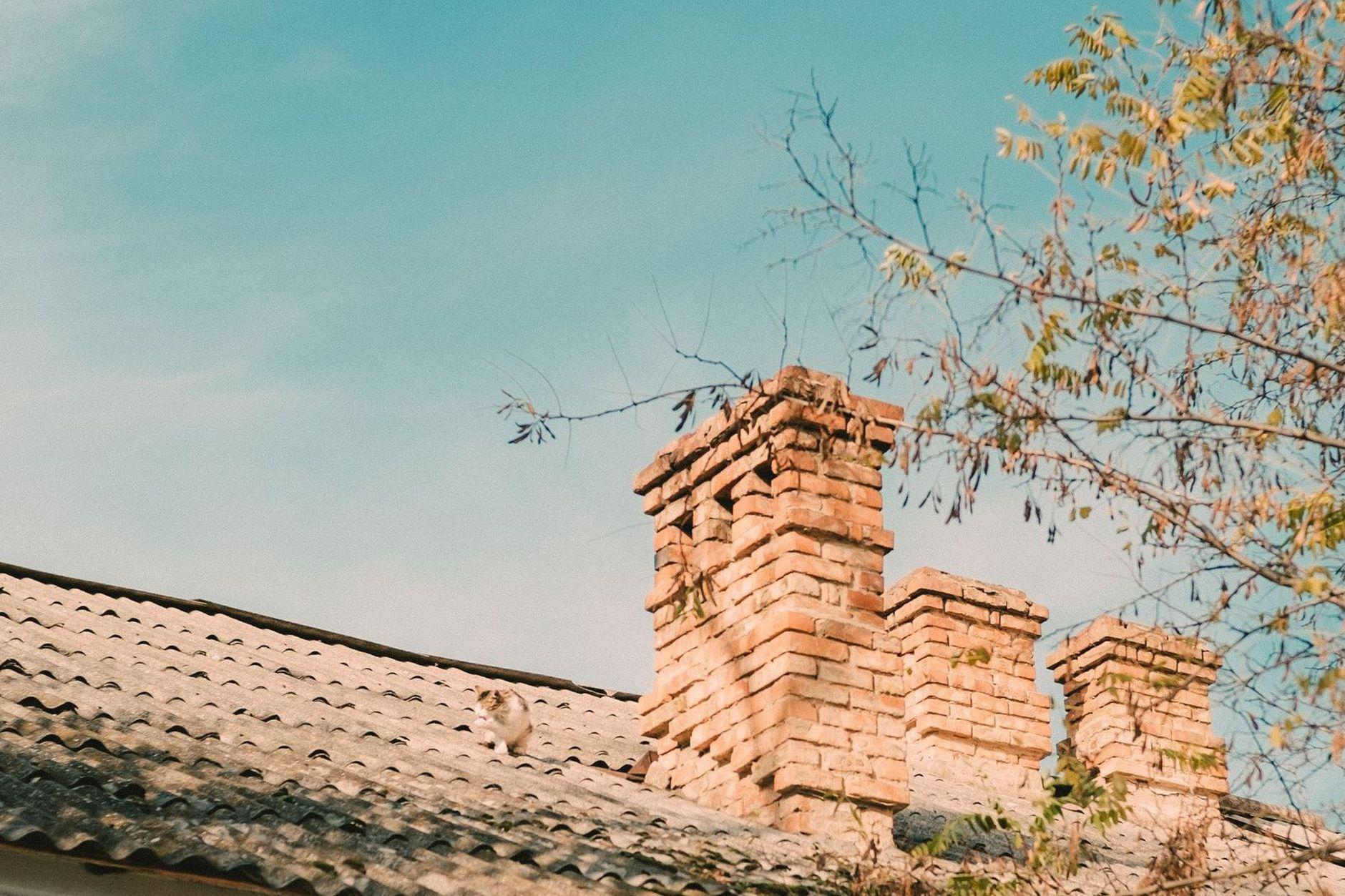
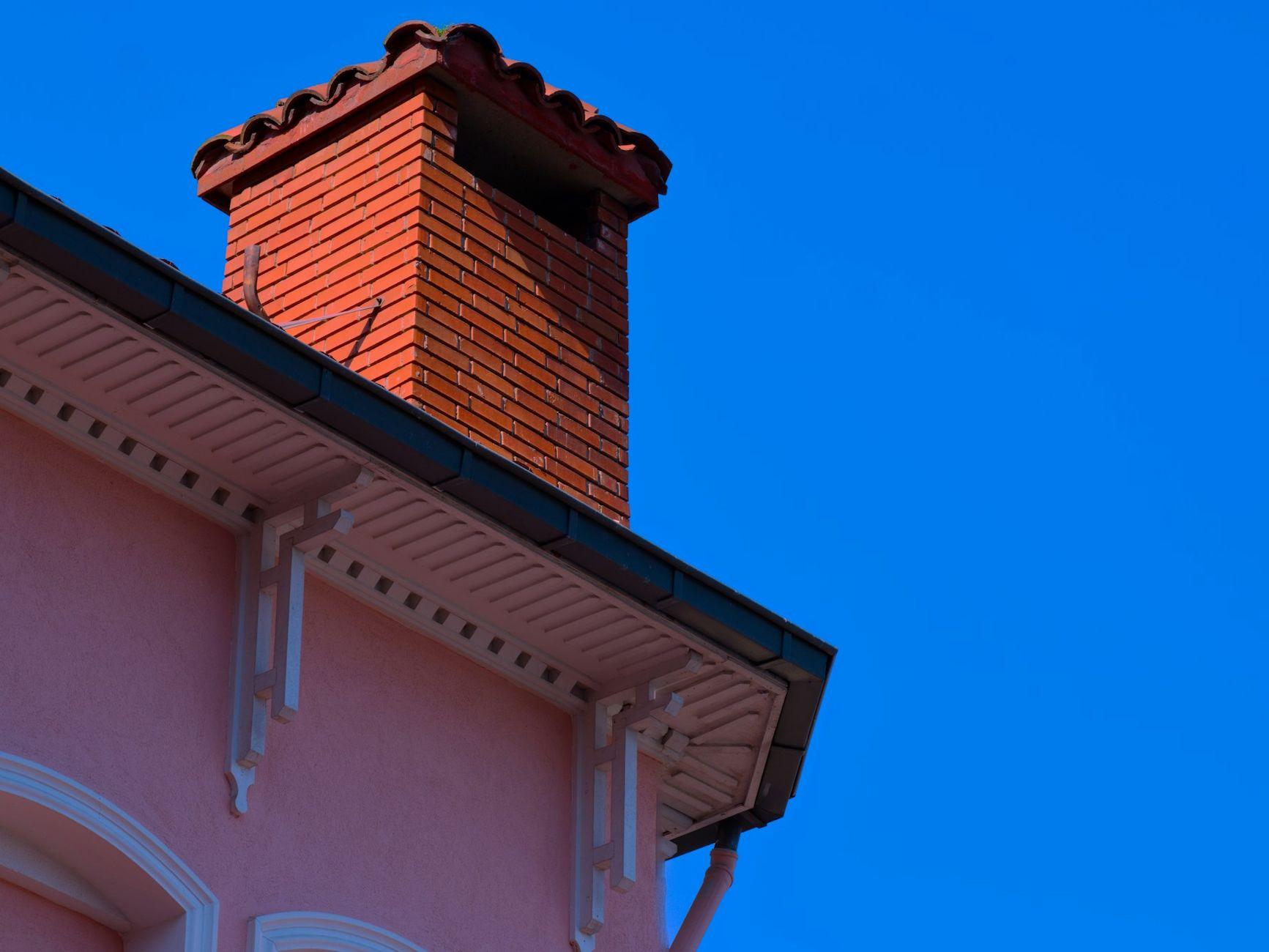
- The crown. The concrete or mortar slab around the flue at the top of a masonry chimney. Coastal sun and salt wear it down, and hairline cracks become open ones.
- The flashing. The metal where roof meets brick. Sealant dries out, metal lifts, and water runs behind it.
- The brick and mortar. Masonry soaks up rain. Worn joints let in more.
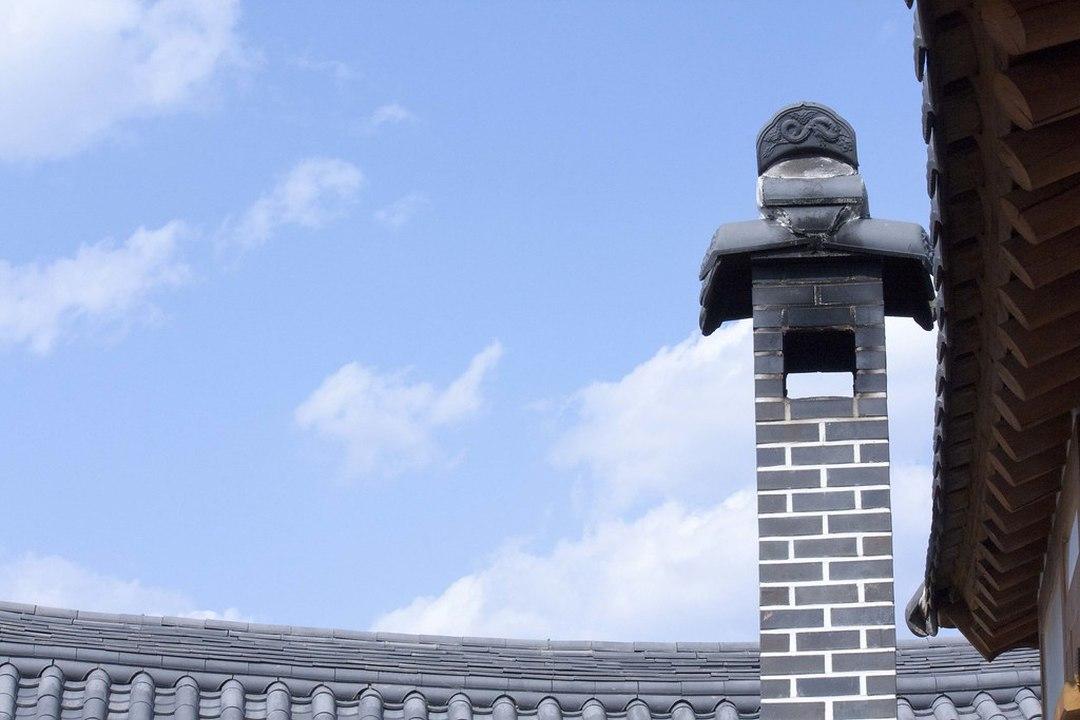
- The open flue. With no cap, every storm drops straight in.
- A metal chase top. On framed chimneys, a rusted or sagging top lets water pool and drip inside the box.
What the repair costs
Our chimney leak repair runs $575 to $3,450. The low end is a single source, such as resealing flashing on one side. The upper end is water coming from several places at once, or flashing that has to be remade on every side.
Some related work sits outside that range:
- Crown work. Sealing a crown and pouring a new one are very different jobs, so we price crown repair from what we find on the roof.
- A cricket. A wide chimney on a sloped roof catches water on its uphill side. A diverter sends it around: $460 to $1,035 on its own, or $690 to $1,700 with all the flashing replaced alongside it.
- Sealing the brick. Waterproofing goes on once the other repairs are done, and is priced with them.
- A chase cover. For framed chimneys, a new chase cover is measured and made for that top, and priced once we have the measurements.
- A cap. Its price depends on size and the number of flues, and it is quoted after we measure.
Tell us which room shows the stain and after which storms
Why we trace before we patch
Patching the obvious spot and leaving is the common failure. We look at the crown, cap, flashing and masonry together, check inside the flue for wet tile, and look at the framing beside the chimney in the attic. The report names each source we found and what each fix costs. You can do all of it at once, or start with the source doing the most harm.
The calendar for leak work
- March to April. Book the visit while the stain is fresh and the source is still damp enough to trace.
- May to September. Do the work. Mortar and crown materials cure properly in dry, mild weather, and the roof can be worked without waiting on storms.
- October. Seal the brick, now that the repairs are in.
- November. The first storms test the fix.
A repair pushed into December fights rain delays and wet masonry, and the leak keeps going in the meantime.
What waiting costs
A small leak does damage you cannot see. Frost is rare here, but water inside a chimney still rusts dampers, loosens the mortar between flue tiles, rots framing beside the chimney and soaks insulation. A damp flue also mixes with old creosote and smells. Each season of delay adds to the eventual bill, and a crown that could have been sealed may end up needing a new pour. Flashing repair and crown work both cost less when caught early.
Who decides on each fix
You do. The report lists every source with its own line, and you can approve them one at a time. Many owners take the flashing or cap first, since those stop the most water for the money, then plan the crown or the sealer for later in the summer.
Coast and inland wear
Close to the beach, salt air speeds rust on steel caps, chase tops and damper plates, so we fit stainless or copper where it will last. Inland, in Costa Mesa and Westminster, summer heat dries out sealant faster. Either way, a yearly look catches the early signs before they reach the ceiling.
What the visit looks like
We start inside, at the stain, and work outward. The ceiling or wall is checked for how wet it is now. Then the firebox and damper are looked at for rust and water marks. On the roof we look at each part of the top in turn and note which ones show wear. In the attic, where the chimney passes the framing, we look for dark wood, wet insulation and drip trails. If the source is still unclear after that, the report says what we suspect and what a further check would add, so you are never paying for guesses.
Selling soon?
A leak found during escrow is harder to handle than one fixed the summer before. If a sale is on the horizon, a spring visit and a summer repair leave the buyer's inspector with a dry chimney and a dated record of the work. Our home sale inspection page covers that side.
Booking the spring visit
If you saw water near the chimney this winter, start at the contact page. Note the room and the kind of storm that brought it, and we will plan the visit for a dry week.
Ready to Pick a Month?
Malone Chimney Works books sweeps, inspections and repairs from Huntington Beach by season. Send the contact form with your address and a preferred month, and we set the date with you.